

When you flip a switch, you may not think about where your electricity comes from, only that it’s there when you need it.
But behind the scenes, the location of power plants plays a critical role in keeping the lights on at an affordable cost.
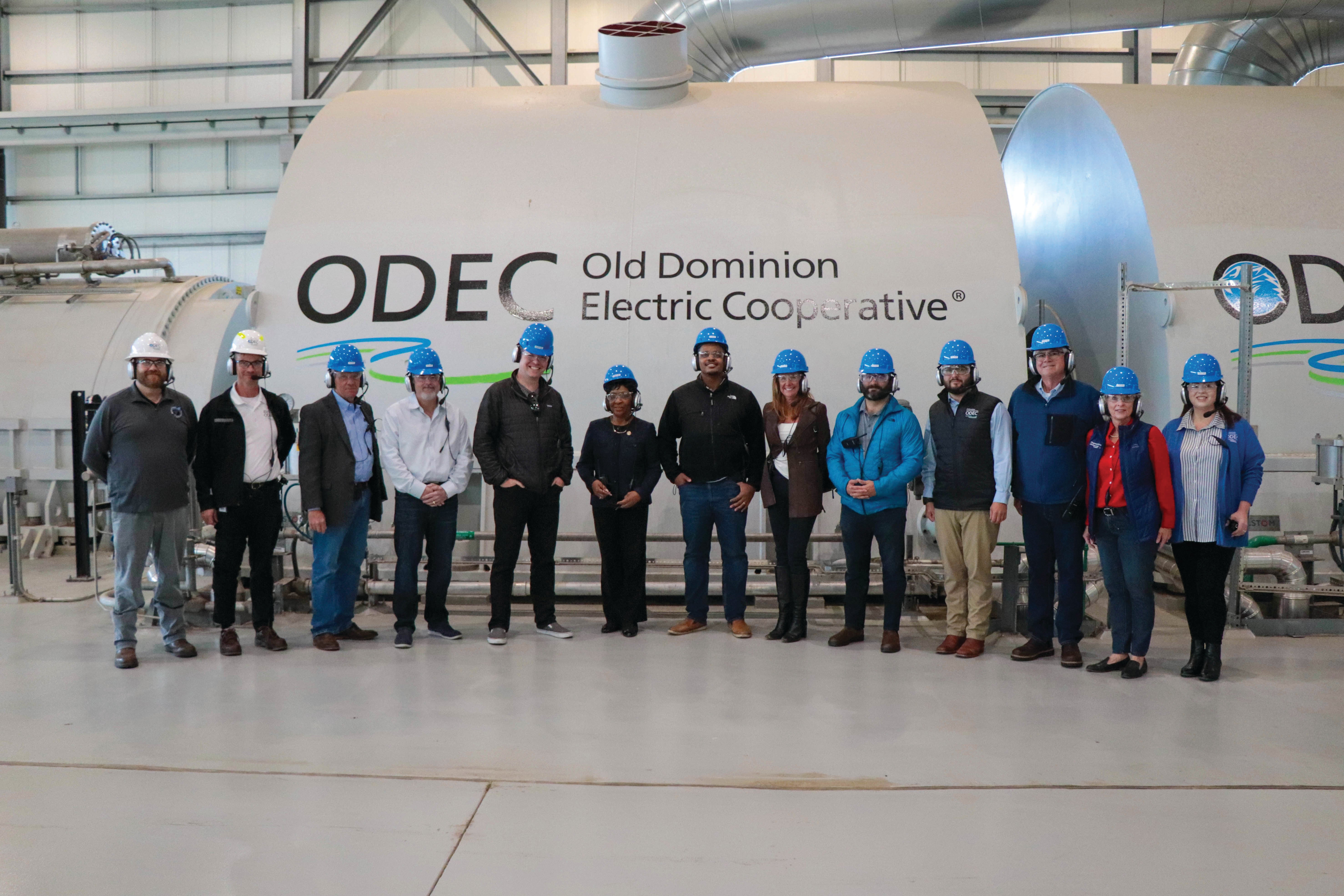
Let’s explain, starting in our own backyard. Together with 10 other regional electric cooperatives, Choptank Electric Cooperative owns ODEC, a not-for-profit wholesale electric generation and transmission provider created to support electric distribution cooperatives like ours. ODEC generates power for us and its other 10 member-cooperatives across Virginia, Maryland and Delaware.
Now let’s look at the regional grid. All ODEC owners, including Choptank, are part of a vast regional grid called the PJM Interconnection, which manages electricity for more than 65 million people across 13 states and the District of Columbia. PJM is like an air traffic controller for power, balancing supply and demand every minute of every day. Unlike airplanes that travel freely across the sky, electricity moves through a network of transmission lines. Those lines can become congested — like rush hour traffic.
This is where location matters.
PJM divides its footprint into zones that reflect how electricity flows and where demand is concentrated. Prices rise and fall depending on how easy or difficult it is to move power from the supply source to the demand.
Transporting electricity from one zone to another over a long distance almost always makes it more expensive. Every extra mile that power travels adds cost and risk. To keep electricity as affordable as possible, generation, or the source, would ideally be located in the same zone, or in close proximity, to the demand or usage it serves.
Additionally, PJM’s reserve margins, the cushion of extra power generation that protects against shortages, are shrinking as older plants retire faster than new ones come online. This makes local generation even more critical.
When reserves are thin and a line is congested, the system can’t always move enough power across zones to fill the gap. That means areas with too little local generation are most vulnerable to shortages and outages.
Investing Where it Counts
ODEC has long taken a “belt and suspenders” approach to reliability, balancing its portfolio across different fuels, technologies and locations.
ODEC has strategically invested in generation near its member cooperatives. ODEC’s Wildcat Point Generation Facility in Cecil County, Md, ODEC’s Marsh Run plant in Northern Virginia and its Louisa plant in central Virginia are good examples. Normally, these plants are designed to run during peak demand windows, when the grid is under the most strain. But because transmission in Northern Virginia is so often congested, PJM sometimes dispatches these plants to push electricity north to ensure the energy gets where it’s needed most, regardless of demand location.
One of ODEC’s newest power commitments is the Wolf Summit Generation Facility. Wolf Summit will bring 600 MW of natural gas generation into PJM’s APS zone, where ODEC currently serves its member cooperatives BARC, Rappahannock and Shenandoah Valley. Adding generation in the same zone as load, or demand from these member-cooperatives helps insulate them from the extra costs and growing reliability risks of importing power.
ODEC is also a joint owner of the North Anna Nuclear Station in central Virginia and the Clover Power Station in south-central Virginia. North Anna provides always-on, carbon-free power that’s a cornerstone of Virginia’s energy mix. Clover, while coal-fired, continues to play a role in providing dependable baseload generation at times when renewable energy and natural gas supply is tight. These investments ensure ODEC’s power supply isn’t tied to any single source or location.
Navigating Today’s Challenges
PJM’s system is facing challenges. Transmission projects can take a decade or more to plan and build, yet demand is rising at a breakneck pace. At the same time, environmental policies are phasing out traditional sources of power faster than new ones can be built. That creates uncertainty in the marketplace and puts more pressure on existing resources. As reserve margins shrink, the difference between a stable grid and a rolling blackout could come down to whether reliable generation is available in the right place at the right time.
ODEC has been vocal in raising concerns about these challenges, while actively planning for the future. By diversifying resources, managing fuel and capacity costs, and making forward-looking investments like Wolf Summit, ODEC works every day to shield Choptank and all of its member cooperatives, from the volatility of the broader energy market.
Our job is simple: to provide safe, reliable and affordable electricity for our member-owners — a mission shared by ODEC and all of its member cooperatives. Choptank and our power supplier, ODEC, take seriously the responsibility to plan for tomorrow while delivering value today. We make long-term decisions with one goal in mind: ensuring that when you flip the switch, affordable, reliable and resilient power is there. Because it turns out that ---- as in real estate --- in electricity location really is everything.